The Evolution of My Technology Experience
More than two decades of hands-on experience, experimentation and continuous learning.
The Beginning — My First PC
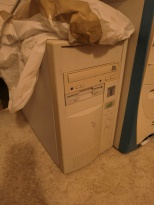
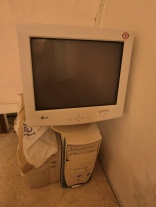
My interest in technology began when my father brought home a Celeron-based computer. It was the first time I experienced using a personal computer, and it inspired my curiosity about computer hardware.
Hardware Exploration & Operating Systems
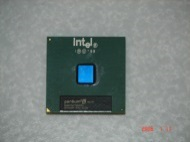
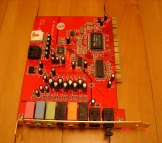
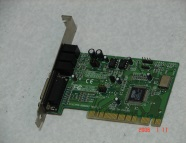
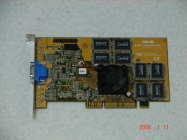
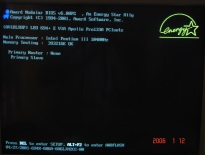
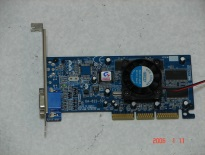
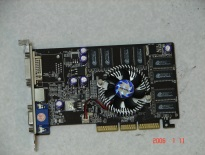
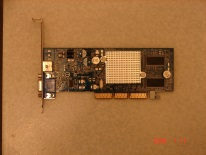
This period marked my early hands-on exploration of PC hardware, system upgrades and operating systems.
- Intel Pentium III 733MHz and 933MHz
- 256MB PC133 RAM
- Windows 98, Windows 2000 and Windows Me
- BIOS updates using 3.5-inch floppy disks
- Volunteered at a local computer retail shop, helping install operating systems on multiple computers.
Performance PC Building
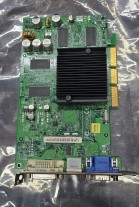
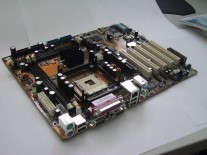
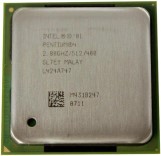
I built a performance-oriented desktop around the ASUS P4T533-C platform. This was an important stage in exploring high-performance components and system configurations.
- Intel Pentium 4 2.8GHz Engineering Sample
- Rambus memory configuration
- NVIDIA GeForce FX 5900 Ultra AGP 8x
- Windows XP SP1 32-bit
I also worked behind the scenes at a 3C retail shop, assisting with product returns and customer service.
My First Enterprise Server
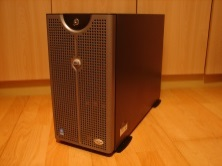
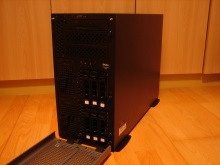
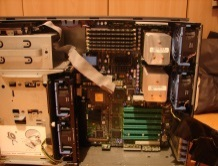
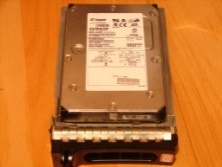
I purchased my first tower server, the Dell PowerEdge 2600. This introduced me to enterprise server hardware and multi-drive storage configurations.
- Intel Xeon 3040 Dual-Core 1.86GHz
- Dual power supply configuration
- Six 320GB Seagate Ultra SCSI drives
- RAID 5 storage configuration
- Windows 2000
Custom Workstations & Compact Engineering
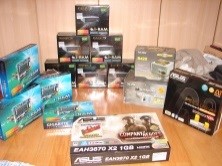
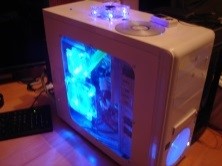
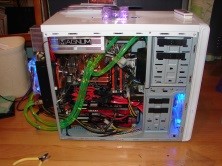
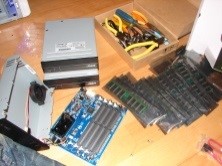
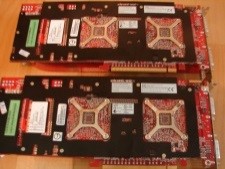
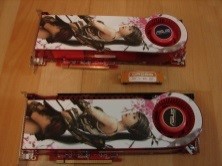
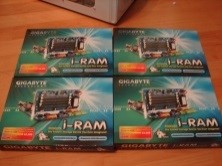
After experiencing the size and complexity of traditional server infrastructure, I became interested in building powerful systems in smaller cases. I experimented with hardware modification, cooling and custom configurations.
- Intel Core 2 Quad Q6600 and modified Xeon E5450 platform
- ASUS P5K3 Deluxe motherboard
- 16GB DDR3 memory
- Dual-GPU Radeon HD 3870 X2 CrossFire setup
- Gigabye i-ram x6 ICH10 RAID 5 24GB DDR 400(1GB X24)
- Custom water cooling and adjustable PWM fans
High-Performance Compact Workstation Engineering
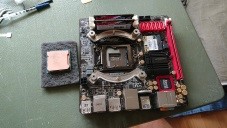
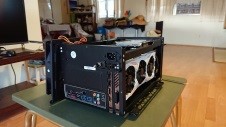
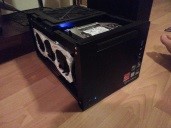
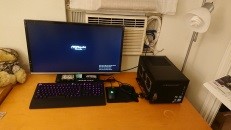
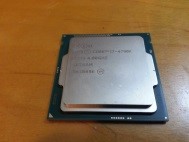
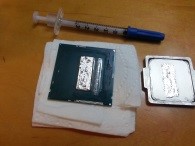
Built a high-performance compact workstation using the SilverStone Sugo SG08 platform. This project focused on enthusiast-level CPU overclocking, direct-die cooling modifications, high-speed memory, GPU performance and compact system engineering.
- SilverStone Sugo Series SST-SG08B — Black Aluminum
- ASRock Z87-M8 Motherboard
- Intel Core i7-4790K — 4.8GHz @ 1.45V, Delidded
- Copper HIS + Coollaboratory Liquid Ultra
- Corsair 2133MHz OC — 16GB SO-DIMM (8GB × 2)
- NVIDIA GeForce GTX 980 Ti — 8GB
- 600W ATX Non-Modular Power Supply
- 802.11ac Mini PCI-E Wireless Card
- CROSSOVER 289K — 28-inch UHD 4K (3840 × 2160) @ 60Hz
- 3 × 128GB mSATA SSD — Intel RST RAID 0
- Noctua NH-D9L with 3 High-Performance PWM Fans
Hardware Vision & Platform Engineering
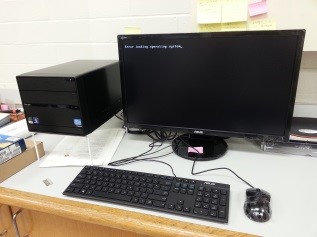
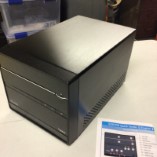
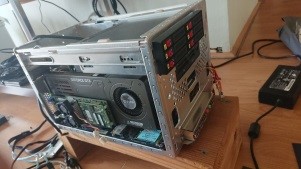
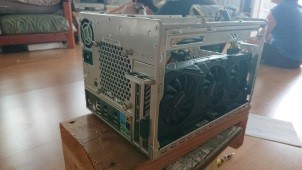
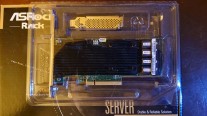
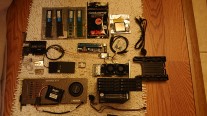
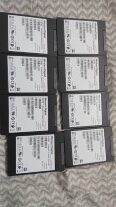
This project began with a vision beyond a conventional workstation. By exploring the potential of the Shuttle SX79R5 platform, I focused on hardware flexibility, high-performance computing, and the possibility of evolving a compact system into a much more capable infrastructure platform.
- Shuttle XPC Smart SX79R5
- Intel Xeon E5-2697 v2 — 12 cores
- OC 1866 32GB DDR3 4ch
- NVIDIA GTX 1070 Katana
- LSI MegaRAID 9361-16i storage controllers
- Ultrastar DC SA620 SATA SSD 1.6TB x13 RAID 6
- Intel X540 10Gb NIC
High-Density Computing & Compact Xeon Engineering
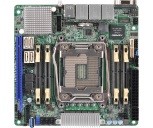
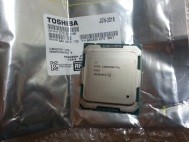
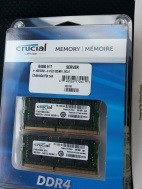
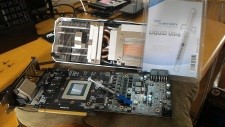
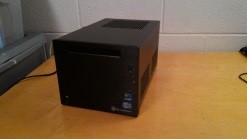
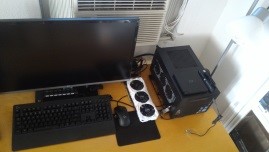
Building on my earlier workstation experiments, I pushed compact computing further by integrating a 20-core Intel Xeon E5 v4 processor, 128GB of ECC memory and high-performance graphics into a compact workstation platform. This project focused on maximizing computational capability, memory capacity and hardware performance within a space-constrained design.
- ASRock EPC612D4I motherboard
- Intel Xeon E5-2679 v4 — 20 cores
- 2400 ECC PC4 SO-DIMM 128GB
- Compact SilverStone Sugo case
- Gigabyte GTX 1080 Ti OC Gaming Black — 11GB
- RST RAID 0 NGFF M.2 128GB x3 SSD adapter
- Noctua NF-A9 D9DX i4 3U + 3 PWM FANS Customizing
Project 01 — ASRock Rack EPC612D8-8R
A major dual-processor ATX home server project. This build explored server-class computing, high-capacity memory, dedicated storage controllers and enterprise-grade SAS storage architecture.
- Motherboard: ASRock Rack EPC612D8-8R
- CPU: To be added
- Memory: To be added
- HBA Controller: To be added
- SAS Storage: To be added
- GPU / Expansion: To be added
- Chassis and Cooling: To be added
Project 02 — Supermicro X10DAL-i
Another major dual-processor ATX home server project, focusing on server platform integration, dedicated storage controllers and high-capacity SAS infrastructure.
- Motherboard: Supermicro X10DAL-i
- CPU: To be added
- Memory: To be added
- HBA Controller: To be added
- SAS Storage: To be added
- GPU / Expansion: To be added
- Chassis and Cooling: To be added
Project 03 — 24/7 Home Data Center Engineering
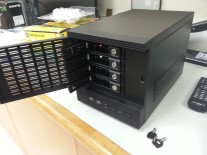
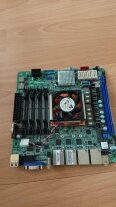
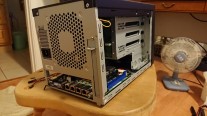
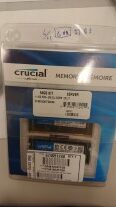
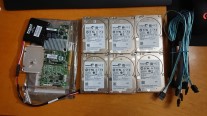
This project marked a transition from high-performance workstation experimentation toward building a dedicated, always-on home data center. Using a server-grade Xeon E3 platform, 64GB of ECC memory and enterprise SAS RAID storage, I designed a compact system intended for continuous operation, reliable data storage and centralized computing services. The focus shifted from peak desktop performance to system reliability, storage integrity, thermal management and long-term operational stability.
- ASRock WSI4-85 C236 Motherboard
- Intel Xeon E3-1585 v5 — 4 Cores / 3.7GHz (BGA)
- 64GB DDR4-2133 ECC SO-DIMM (16GB × 4)
- LSI MegaRAID 9361-8i — 12Gb/s SAS, 2GB Cache
- Seagate ST1800MM0008 — 1.8TB 10K SAS 2.5-inch 4Kn × 7
- RAID 6 Storage Array
- Custom Thermal Configuration and Cooling Optimization
I also worked with system recovery, operating system installation, virtualization, CCTV/NVR configuration and hardware troubleshooting.
Extreme High-Density Workstation Engineering
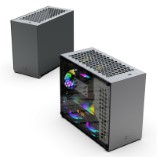
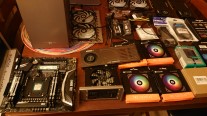
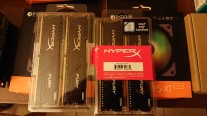
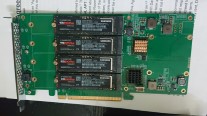
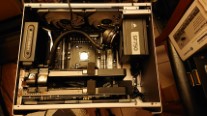
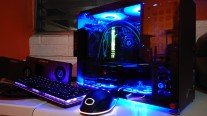
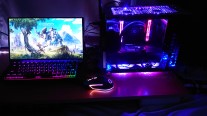
This was one of the most challenging workstation builds I had ever undertaken. The goal was to integrate an 18-core Intel Core i9 HEDT platform, dual-GPU SLI graphics and a four-drive NVMe RAID 0 array into an exceptionally compact 14.4L aluminium chassis.
The project required careful planning and extensive hardware integration, combining a delidded CPU, custom liquid cooling, high-density graphics configuration and specialized storage expansion within severe space constraints.
- ZZAW B3 — 14.4L Aluminium Micro-ATX Case
- MSI X299M Gaming Pro Carbon AC Motherboard
- Intel Core i9-7980XE — 18 Cores / 36 Threads
- Delidded CPU — Integrated Heat Spreader Removed
- Kingston HyperX DDR4-3200 128GB (32GB × 4)
- GALAX GTX 1070 Katana 8GB × 2 — NVIDIA SLI
- HighPoint SSD7103 NVMe RAID Controller
- Samsung 970 EVO Plus 2TB × 4 — RAID 0 (~7.6TB)
- Asetek 645LT 92mm Liquid AIO CPU Cooler
- Corsair SF750 750W SFX Power Supply
- ID-COOLING NO-12015-XT RGB Fans × 4
- 5V RGB Synchronization System
Completing this build was a major personal engineering milestone. Integrating an 18-core HEDT processor, dual-GPU graphics and high-speed NVMe storage into a 14.4L chassis pushed my hardware integration experience to a new level.
The project demonstrated how careful component selection, thermal planning and mechanical optimization could overcome the limitations of an extremely compact form factor.
Continuing the Journey
Technology keeps evolving. So does my learning.